




(10.98 € HT)
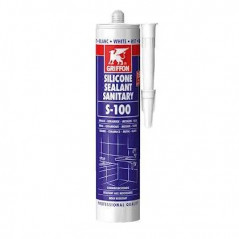
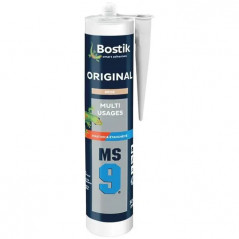
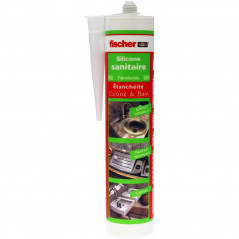
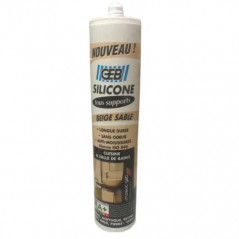
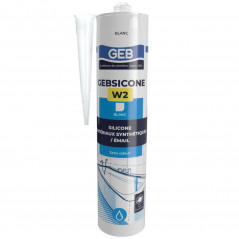
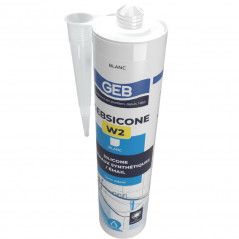
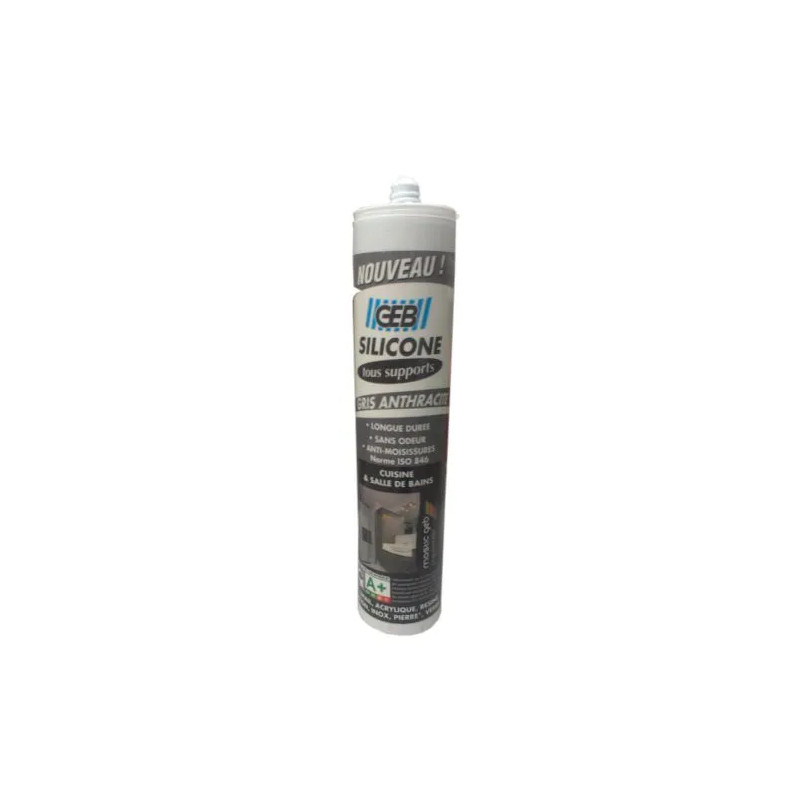
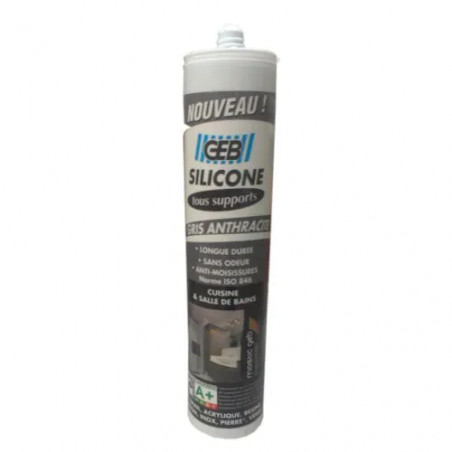
Watertightness of sanitary appliances GEB. Gebsicone W2 : 280 ml cartridge, anthracite grey reference 890713.
 Safety guarantees
 Delivery policy
 Returns policy
Features :
Neutral silicone sealant (alcohol/alkoxy) with fungistatic effect (protection against mould) - Special sanitary quality - Can be used on most surfaces
Implementation:
Preparation:
- The surfaces must be dry, dust-free and free of grease.
Instructions for use :
- For joints that are too deep, limit the depth with cellular foam. In general, the depth of the joint
- must be less than half its width (not through).
- Cut the end of the nozzle to a diameter slightly smaller than the joint and apply the product.
- Smooth out, e.g. with the GEB Joint Smoother, within 5 minutes of laying.
- Do not apply the sealant if the temperature is below +5°C or above +40°C.
Consumption :
- Depending on the size of the joint and the application, a 310 ml cartridge will produce a joint a length (the length of the joint is expressed in meters) :
Cleaning of equipment :
- The cleaning of the equipment is done with acetone, white spirit or ethyl alcohol before drying the putty and by scraping after hardening.
Product benefits:
Tips:
Storage:
Observations:
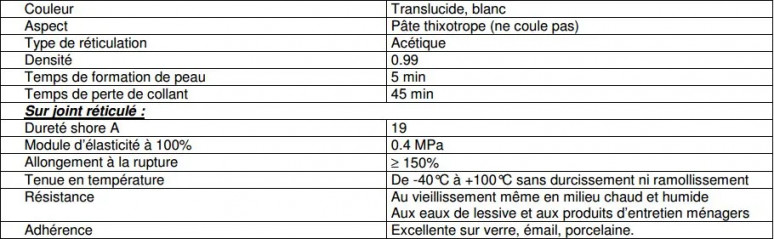
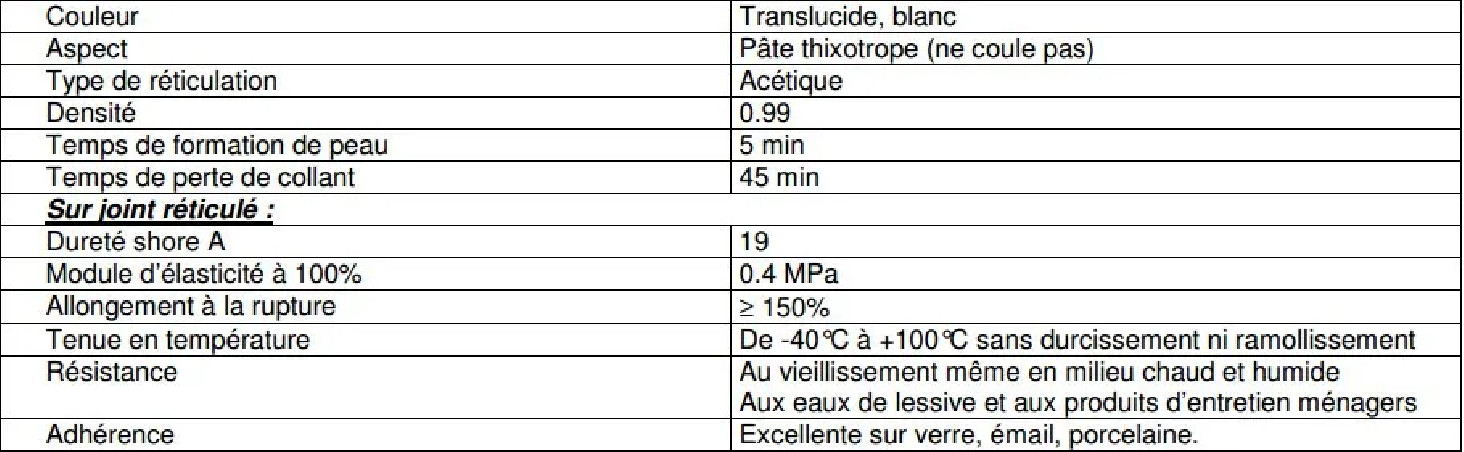
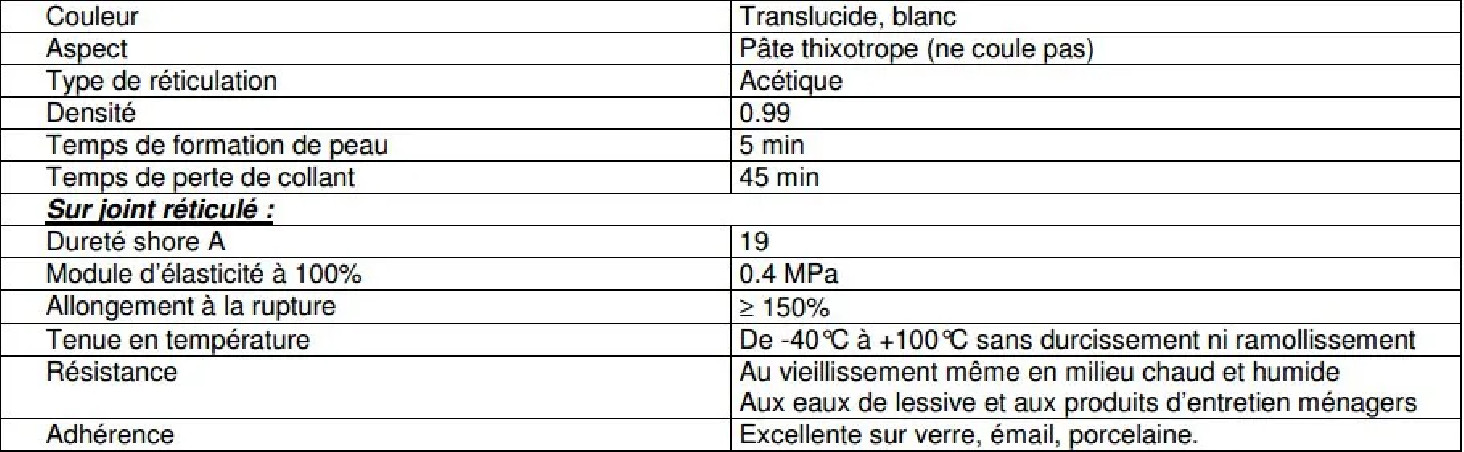
| Technical specifications : |
Data sheet
Specific References
No customer reviews for the moment.
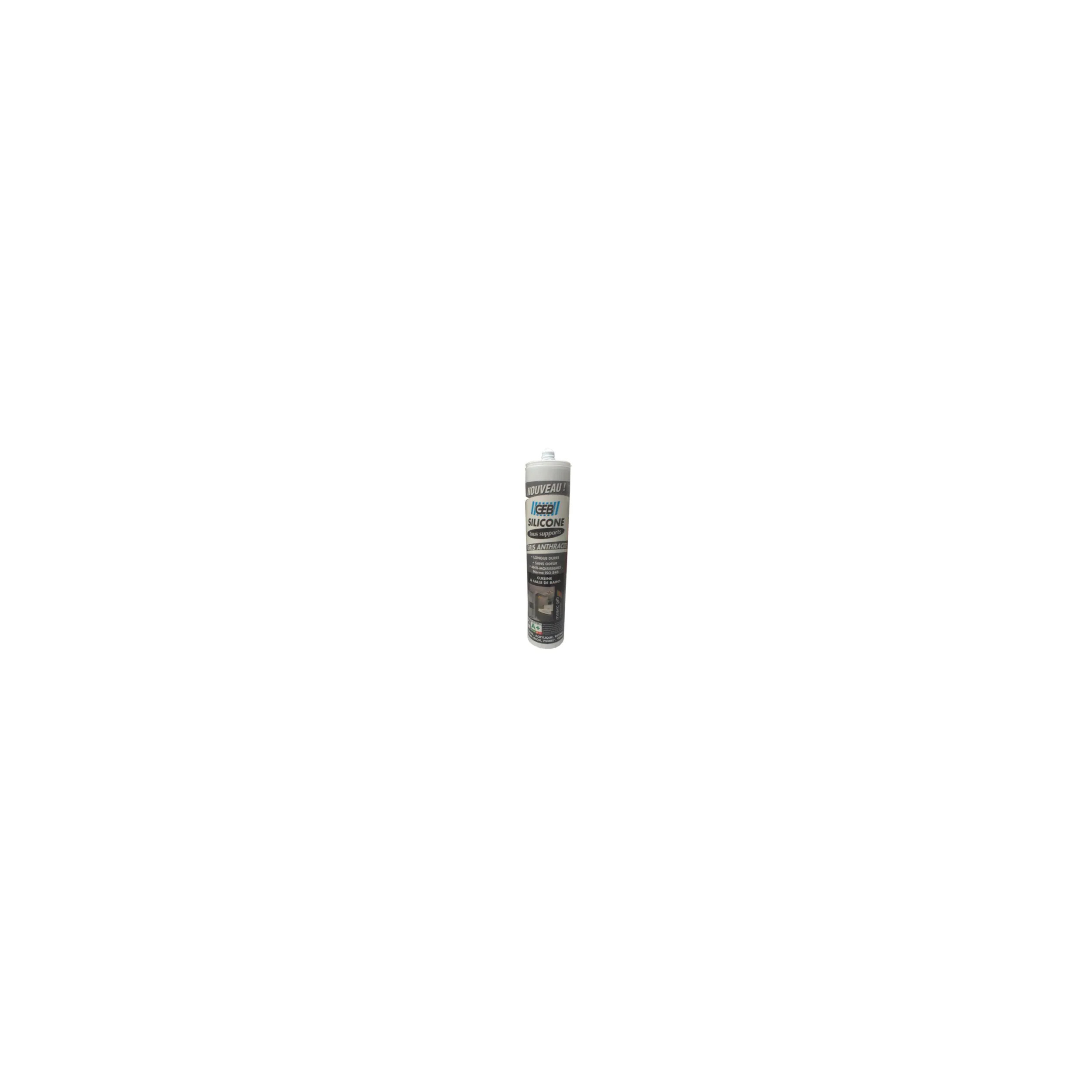
Watertightness of sanitary appliances GEB. Gebsicone W2 : 280 ml cartridge, anthracite grey reference 890713.
(10.98 € HT)